
Artist Statement
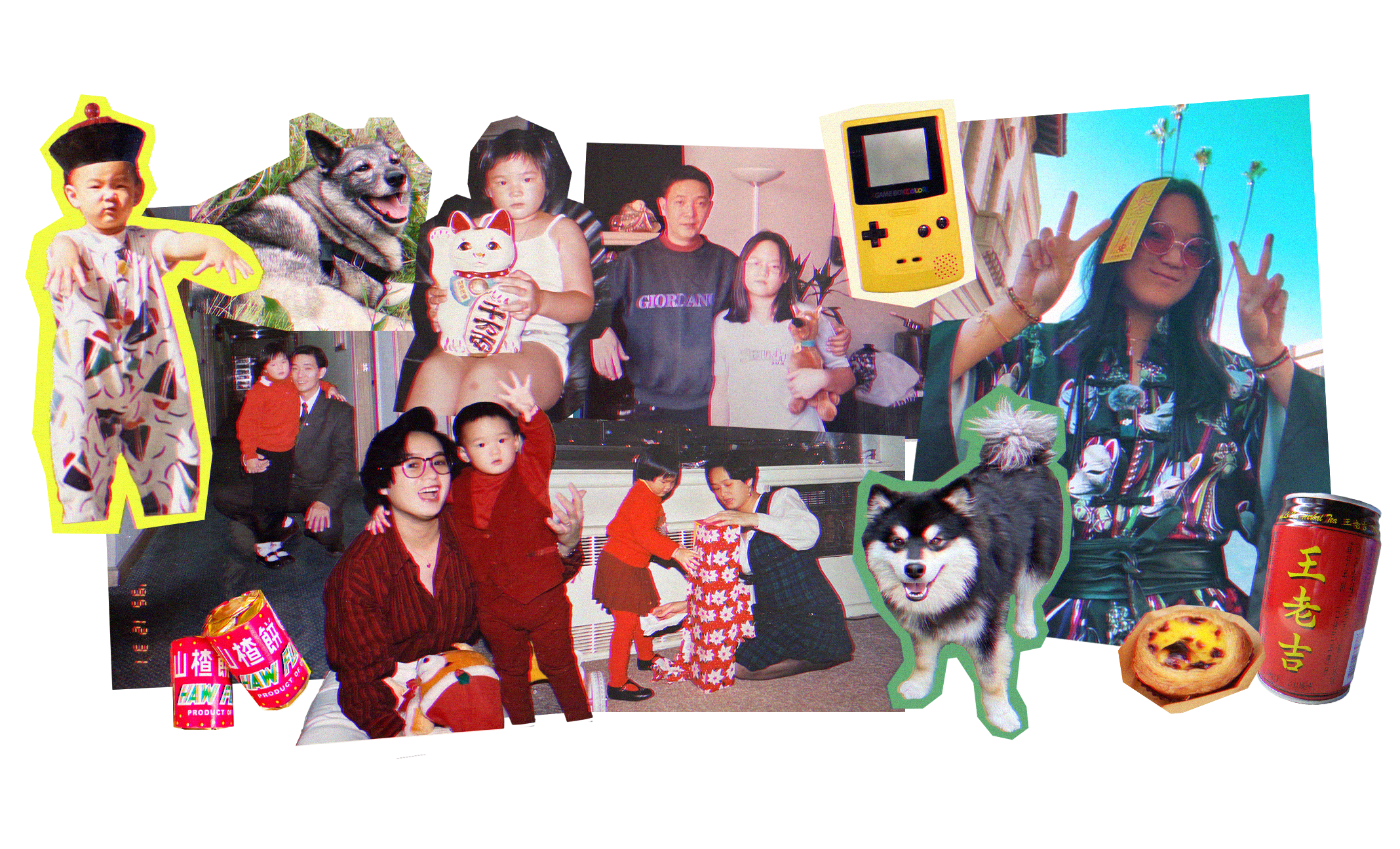
DIVORCED PARENTS + DOG OBSESSED + ANIME NERD + FOOD LOVER
What is «DAISING» and why should you support it? «DAISING» is a TV show inspired by my relationship with my mom. About how I went from almost going no contact with her despite the deep Asian Guilt™ to finally achieving the supportive friendship I think everyone yearns for with their parents. «DAISING» is about how that change and growth is possible, regardless of your age or upbringing.
Let me tell you a bit about my journey, but before we get into a mini-trauma dump, I want to preface this with I love both my parents deeply. It’s been so nice lately that I had forgotten where I was six years ago. Here’s a recollection of those times:
“I am realizing the thing that triggers me the most is being yelled at or blamed for something that isn’t my fault. Yelled at for crying at my birthday party when a boy punched me. Yelled at for getting sick. Yelled at for “Why didn’t you pick up your phone. You never pick up my calls, you ungrateful daughter” when I was in a work meeting. Recently in therapy I was working through some childhood trauma regarding being mol*sted on a public bus in middle school. When I went home that day I tried to tell my mom but what I got back was her yelling, “That’s just how the world is. It happens to everyone so what do you expect me to do?”
I had tried to bring this incident up to her to seek closure but it devolved into an entire day of her frantically yelling her guilty emotions at me, denying this ever happened and me crying like I was 5 years old asking her to stop yelling and just listen to me.
Looking back now, it’s interesting to me the traumatic event wasn’t necessarily the mol*sting part, but the fact that when I looked to my mother for comfort, I did not receive it. Bad things happen in life and unfortunately sometimes there are no solutions. You can’t always fix it. But having someone there to simply support you and comfort you. I think that is just what we all need.
I interviewed mental health workers while researching for this project and I learned that parents, especially Chinese parents, often snap or lash out when they are overwhelmed, scared and don’t know what to do. That gives a lot of context to this moment. Child-me was frantic. I wanted her to FIX it but she had no idea what she COULD do. When you become a parent, no one gives you an instruction manual. Back then, she was a single parent struggling to pay the bills with an emotionally abusive ex-husband and a family she couldn’t turn to with her troubles. Unable to deal with the added emotional distress of her child, she snapped.
That reaction reminded me of a book my husband has been reading about reactivity in dogs:
“What is reactivity? Reactivity comes from anxiety, which comes from feeling uncertain about something. Reactivity is an information-seeking strategy. A reactive dog will rush toward something or someone that he is uncertain about, barking, lunging, growling, and making a big display… a reactive dog is not rushing in to do damage; he is attempting to assess the threat level of a given situation. His assessment strategy is intensified because he is panicking...If a reactive dog learns to feel confident about something, he is less worried about that thing and therefore reacts less to it. ” - Control Unleashed: Creating a Focused and Confident Dog
Do you see the similarities? This is going to be an important lesson Jade learns in the show as she attempts to raise Joojai to be an upstanding citizen. The insights she gains from that process will help her empathize with her mother, and develop the communication skills she’ll need to stop them from falling into the same bad patterns.
Dog training books often talk about positive reinforcement vs negative reinforcement. I, along with friends from China that studied abroad, have observed positive reinforcement teaching methods in Western families. For example a parent telling their kids to “Just try. It’s okay if you fail.”
Asian parents generally default to negative reinforcement, using fear as a motivation.
"Why are you so stupid?" if you fail or mess up a little
"Why are you so lazy?" because they want you to do better in school
"That's it?" when you get 98% out of 100%, as their way of encouraging you to do better
"You'll never make a living" because they're concerned for your future and wellbeing
Personally, I believe these reactions destroy confidence and do not create a safe environment where you want to try new things because you become afraid of failure or criticism. It will either create a person that constantly aims to overachieve + seek external validation even at the cost of their own well-being *cough*me*cough*, or someone that is too afraid to do anything therefore unable to become fully independent.
So after many years of modeling different behaviors for my mom, trying to use as much positive reinforcement as I could, here’s an example of a miraculous breakthrough we’ve had:
“We’ve had this recurring fight for over 20 years. Mom would start ranting about how terrible a husband my dad was, I would get frustrated, try to disengage, she’d get angry. Rinse and repeat. One day, instead of allowing the conversation to die into a tense silence, mom finally asked “Why do you always get angry when I talk about this? I feel like you blame me for the divorce.”
This approach pushed me to consider why I got upset, and helped me realize that the reason my mom went so hard in saying all those things was because she felt she had to justify herself. She felt she needed to convince me due to her assumption that I blamed her. By calmly asking her questions, I was given the opportunity to make her feel heard and discover the true reason for my own anger. It was because she’d always start the rant with, “You don’t even know, I protected you from all this.”
Which was 100% INCORRECT. That phrase immediately made me defensive because after saying those words she would proceed to re-tell me all the things she “protected” me from. I didn’t want to rehash old traumas again, I wanted her to get to know me. I wanted her to listen.
Now that we were able to identify what was bothering us, the next time my mom got started on an Anti-Dad rant, she started to stay, “You don’t even know” but stopped herself! Then reworded it to, “Ok, I don’t know if I’ve told you this but…” A simple change of wording made all the difference. We were able to quickly move onto having fun together instead of ruminating in the past.”
Six years ago, I never would’ve thought this moment was possible. My mom often said she was too old to change, but I’ve seen her amazing growth. What better format to tell this story of growth than in an anime, where so many of the stories focus on a growth mindset. No matter your age or the circumstances you’re born into, you too can grow to be better.
Not everyone will have access to a good therapist or experience culturally diverse family dynamics to learn new ways of communication, so I hope by putting these different examples into a fun, action comedy anime, viewers can learn, laugh and grow with me.
If this resonated with you and you’d like to see this type of storytelling play out in an animated TV series, please help us:
BREAK THE CYCLE
•
CULTIVATE HEALTHY RELATIONSHIPS
•
BREAK THE CYCLE • CULTIVATE HEALTHY RELATIONSHIPS •
创作自述
离 异 家 庭 + 爱 狗 成 痴 + 动 漫 宅 + 吃 货
什么是《DAISING》?为什么它值得你的支持?
《DAISING》是一部以我与母亲的关系为灵感创作的电视剧。讲述了我如何从几乎要与她断绝联系——尽管内心深处承受着浓厚的"亚裔孝道包袱"——到最终实现了我认为每个人都渴望与父母建立的那种相互支持的友谊。《DAISING》表达的主题是:无论你的年龄或背景,任何人都可以继续成长,蜕变。
我稍微聊聊我的心路历程吧:我想先说明——我深爱我的父母双方。我们最近的日子过得很幸福,以至于我几乎忘记了六年前的自己身处何处。以下是我对那段时光的回忆:
"我意识到,我每次被人吼,或者为不是我的错的事情受责备时,都是我感到最受挫,最失控的时候。生日派对上我被一个男孩打哭了,但我反而被骂了。每次我生病了都会被骂;开会时没接到父母的电话,会被骂我是个不知感恩的女儿。在前不久心理治疗中,我回忆起了一段童年创伤——初中时在公共汽车上,我遭遇了性骚扰。那天回到家,我试图将此事告诉妈妈,得到的却是她的怒吼:'这世界就是这个样子的,这种事谁都会遇到,你让我怎么办?'"
每次我跟她提起这件事,希望能得到一些释怀,都会演变成她整整一天歇斯底里地向我发泄她的愧疚情绪,否认这件事从未发生过,而我像个五岁的孩子一样哭着求她停下来,求她听我说话。
现在回想起来,让我觉得有意思的是——真正给我留下创伤的,未必是那次骚扰本身,而是当我向母亲寻求安慰时,我没有得到它。生活中坏事难免发生,有时候真的无解。你不可能解决所有的事。但有时,你只需要有一个人在你身边,单纯地支持你、安慰你。
在为这个项目做调研时,我采访了一些心理健康工作者。我了解到,父母——尤其是中国父母——在不知所措、感到恐惧、不知如何应对时,往往会突然爆发或迁怒于人。这让我对我的体验有了更深的理解。当年我情绪激动,我想让她来'解决'这件事,但她根本不知道自己能做什么。毕竟没有人在她成为父母的时候给她一本说明书。那时候,她也只是一个独自挣扎着养家糊口的单亲妈妈,前夫对她施以情感暴力,娘家也无处倾诉。面对孩子额外带来的情绪压力,她无力承受,于是爆发了。
这让我想起了丈夫最近在读的一本关于狗的应激行为的书:
"什么是应激反应?应激反应源于焦虑,而焦虑源于对某事的不确定感。应激反应是一种寻求信息的策略。一只有应激反应的狗会朝着令它不确定的事物或人冲过去,吠叫、扑跳、低吼,做出一系列夸张的举动……它冲上去并不是为了造成伤害,而是在试图评估当前情境的威胁程度。它的评估方式之所以如此激烈,是因为它正处于恐慌之中……如果一只有应激反应的狗学会了对某件事感到有把握,它对那件事的担忧就会减少,因此反应也会随之减弱。" —《解放天性:培养专注而自信的狗》
你是否看出了其中的相似之处?这将是剧中玉儿在努力将 Joojai 培养成一个正直的人的过程中领悟到的重要一课。她从这个过程中获得的洞察力将帮助她理解母亲,并培养出她所需要的沟通能力,让她们不再陷入同样的恶性循环。
以下是我和妈妈近期相处时的一个真实例子:
"我们的这场争吵持续了二十年。每次妈妈开始抱怨爸爸有多糟糕,我就会感到烦躁,想要抽身离开,而她则会生气。周而复始,从未改变。直到有一天,她没有让对话就这样消散在沉默与剑拔弩张之中,而是开口问道:'为什么你每次在我聊这个话题时都会生气?我感觉你在责怪我离婚这件事。'"
"她的这个问题促使我思考自己为何会烦躁,让我意识到——妈妈之所以说那些话说得那么用力,是因为她觉得自己需要解释,需要说服我,因为她以为我在怪她。通过她平静地发问,我得到了让她感到自己在被倾听的机会,也发现了自己愤怒的真正根源——她每次开口抱怨,总是以这句话起头:'你根本不知道,我一直在保护你,我一个人担下了这些事。'"
"她这么说是不正确的,同时也让我感到很强的抵触心理。因为说完这句话之后,她总会把那些她所谓'保护'我而独自担下的事情重新讲一遍。我不想一次次重温那些旧日的伤痛,我想要的是她了解现在的我,我想要她能好好听听我想说的话。"
"当我们终于能够说清楚各自的心结之后,在下一次妈妈又开始发表'反爸爸演讲'时,她开了个头——'你根本不知道'——然后她停住了!接着换了一种说法:'好吧,我不知道有没有跟你说过,但……'就是这一个简单的措辞改变,带来了截然不同的结果。我们很快就从纠结于过去,转向了一起享受当下。"
六年前,我做梦也没想到这一幕会成真。妈妈常说自己年纪大了,改不了了,但我亲眼见证了她令人惊叹的成长。还有什么比动漫更适合讲述这个成长的故事呢?那么多动漫作品都以成长为主题—无论你几岁,无论你生于何种境遇,你都可以成长为更好的自己。
不是每个人都有机会接触到一位好的心理咨询师,也不是每个人都有机会接触到多元文化背景下的家庭相处方式,并从中学到新的沟通方式。我希望,通过将这些不同的故事放进一部充满乐趣的动作喜剧动漫里,观众们可以和我一起学习、欢笑、成长。
如果这些故事触动了你,你也希望看到这样的叙事方式在一部动画电视剧中呈现,